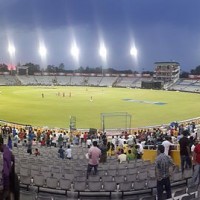
Are you aware that there exist three cities which form tricity in Chandigarh? Yes, it’s true that Chandigarh does form tricity with two other cities, namely, Panchkula and Mohali. This city has been known on global front as it has been hosting many international cricket matches, including the world cups. Hence, it won’t be wrong
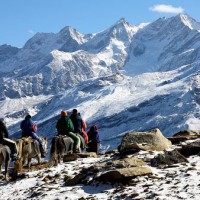
The mighty mountains in Himalayas stand tall with pride! They are encapsulated by snow peaks, verdant valleys, enchanting lakes, deep gorges, thundering rivers, ancient temples, flower carpeted meadows and magnificent monasteries! These natural assets open the heavenly paradise for travellers as they can soak the beauty of nature and savour the serene surroundings. The snow-laden
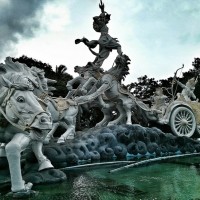
Land of Mahabharata – this is how Kurukshetra has been known as! it has been mentioned in Indian scriptures that this city was the centre point for Epic Mahabharata. Once upon a time, it was the kingdom of King Kuru. And later on, this city did set up the foundation of a base which has
Wanna tour a place which is adventurous and it equally promises some nerve-wrecking trekking treks? If you have your answer as yes, then you should try visiting Munsiyari, which is a small village in Pithoragarh district of Uttarakhand. The nature’s beauty could be seen in the most admiring and captivating form from this small town.
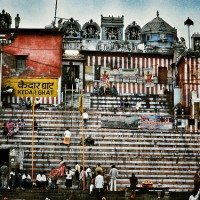
Kedarnath is a renowned pilgrim town situated in Uttarakhand in Rudraprayag district. It is one among the oldest and the most remote four Dham sites. Situated at a height of 3583 metre above sea level, it is surrounded by snow covered mountains. The surroundings of this town present a beautiful view due to scenic locations
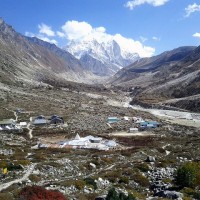
A significant pilgrimage for hindus, Gangotri is a sacred place which has also been wooing tourists and trekkers with its ultimate beauty. It houses a few of the most beautiful places here which make you feel in paradise when you visit here. If Hindu legends are to be believed, Goddess Ganga came down here when
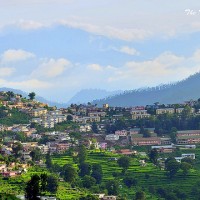
The most appealing and mesmerising beauty of Himalayas with the surrounding green ambience will behold you with its beauty in Almora. Even Mahatma Gandhi was impressed by the beauty of this hill station and was forced to write on its enchanting beauty, lush green surroundings and beautiful Almora hills. He even questioned why people visit
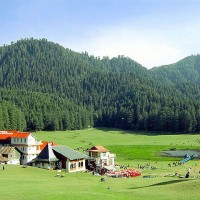
There is a ‘Gulmarg’ in Himachal Pradesh which has much resemblance to Switzerland. Situated at a 26-km stretch from Dalhousie, Khajjiar stands at 6500-feet height. The Natural beauty along with pleasant climate will enchant you while the vast spread green meadows and dense forests will lure you. Also you can see majestic snow-clad Himalayan peaks
You might have heard of Razia Sultan! She was the first woman ruler in India who did shake up other ruling dynasties around. She took her last breath in Kaithal. Her mazar also known as tomb exists here in the city and could be visited in Kaithal which presently falls under Haryana state. Originally called
Manesar, in last few years, has almost become synonymous to Maruti due to the presence of manufacturing unit of Maruti Udyog plant here. It has gained credence as an industrial town in last few years due to the presence of many ancillaries and other industries. Situated on NH8 (Delhi-Jaipur Highway), Manesar also houses a few
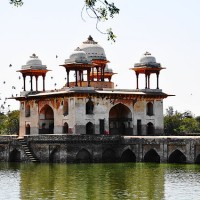
Narnaul! This historic town in Mahendragarh has several credits to its name. It is the birth place of renowned personalities such as Birbal and Shershah Suri. While Birbal was one of the significant personalities of Akbar’s court, Shershah Suri was the warrior who challenged the Mughals and was successful to threaten its rule. The town